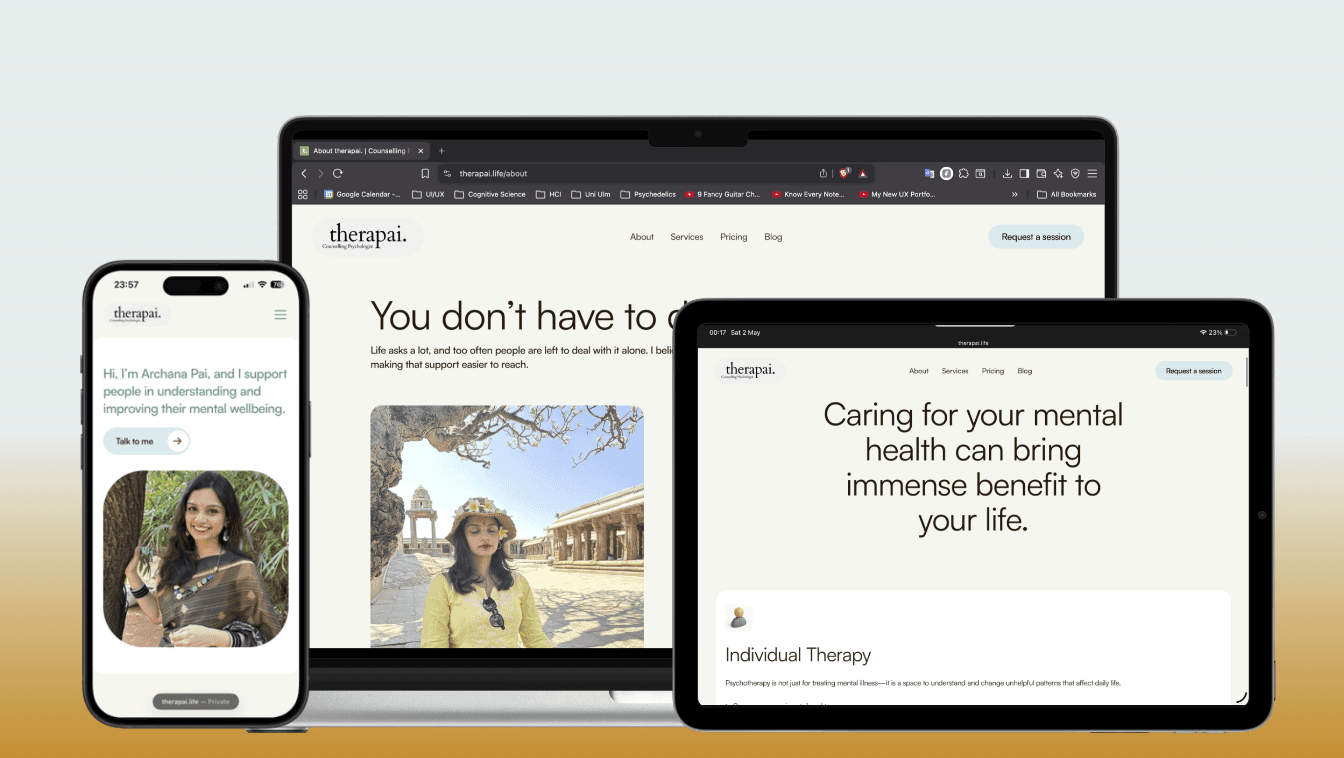
Making mental health accessible one pixel at a time

Developing an online presence to improve client outreach and build credibility

Developing an online presence to improve client outreach and build credibility

Role : Product Designer

Role : Product Designer

The Problem

Every new client meant starting from zero, re-explaining pricing, timings, and process each time. Without a central online presence, online therapists are difficult to discover and hard to trust.

The Solution

A platform that allows potential clients to discover a therapist, explore their services and make an informed decision with confidence.

Home Page

Features intuitive navigation, clear CTAs, key links, social media links and an overview of her practive

Pricing

Pricing presented through clear, carousel cards structured using Behavioural Economics principles

About

Showing the person behind the practice to build empathy

Scheduling

A scheduling workflow designed to give both clients and therapists flexibility and control

Background

Online counselling psychology, commonly referred to as telepsychology, emerged as a widespread phenomenon during the Covid-19 pandemic. The pandemic had two primary effects on the mental health space: patients who had previously seen their therapists in person were no longer able to meet physically, and the experience of isolation led many people to seek mental health support for the first time. This created the conditions for teletherapy to take hold.

Psychologists, though initially reluctant, were quick to adapt to this new model. The rapid proliferation of video conferencing technology played a significant role in easing the transition.

While the overall use of telehealth has dipped since the pandemic, its use remains high in mental health care, with 88% of psychologists reporting that they offer telehealth services.

American Psychological Association, Digital Health Use Among the Public Remains Strong, 2025

It was within this context that my client, a practising therapist, sought to build an online presence — one that would allow her to showcase her services, communicate her process, and establish credibility with potential clients in an increasingly digital landscape.

Research

A Deep Dive into Archana's Current Client Outreach and Information Flow

To better understand the problem space, I examined how Archana currently attracts and communicates with potential clients. This allowed me to identify friction points in her outreach process and understand what information gaps were leaving clients without the answers they needed.

Archana's practice operates primarily through word of mouth, supplemented by a social media presence. While social media helped her reach a broader network, her practice information was scattered across posts and buried amongst unrelated content and distractions. More often than not, potential clients would reach out with the same recurring questions before ever booking a session:

To better understand the problem space, I examined how Archana currently attracts and communicates with potential clients. This allowed me to identify friction points in her outreach process and understand what information gaps were leaving clients without the answers they needed.

Archana's practice operates primarily through word of mouth, supplemented by a social media presence. While social media helped her reach a broader network, her practice information was scattered across posts and buried amongst unrelated content and distractions. More often than not, potential clients would reach out with the same recurring questions before ever booking a session:

These repeated exchanges placed unnecessary burden on Archana and created friction for clients who simply wanted clarity before committing. A centralised online presence had the potential to resolve all three pain points before a single message was ever sent.

Pricing: How does payment work? Are there cancellation policies or sliding scale options?

Process: How are sessions structured? What does goal setting look like, and when can clients expect to see progress?

Credibility & Brand: Is Archana appropriately qualified? What makes her approach different, and does she have references or accreditations?

These repeated exchanges placed unnecessary burden on Archana and created friction for clients who simply wanted clarity before committing. A centralised online presence had the potential to resolve all three pain points before a single message was ever sent.

Understanding stakeholder goals and User needs

With a clear understanding of her workflow, I conducted a stakeholder interview, competitive analysis, and user interviews. As my first independent project with a therapist, it was crucial to align the design with both the ethical responsibilities of the mental health space and the practical business needs of a private practice.
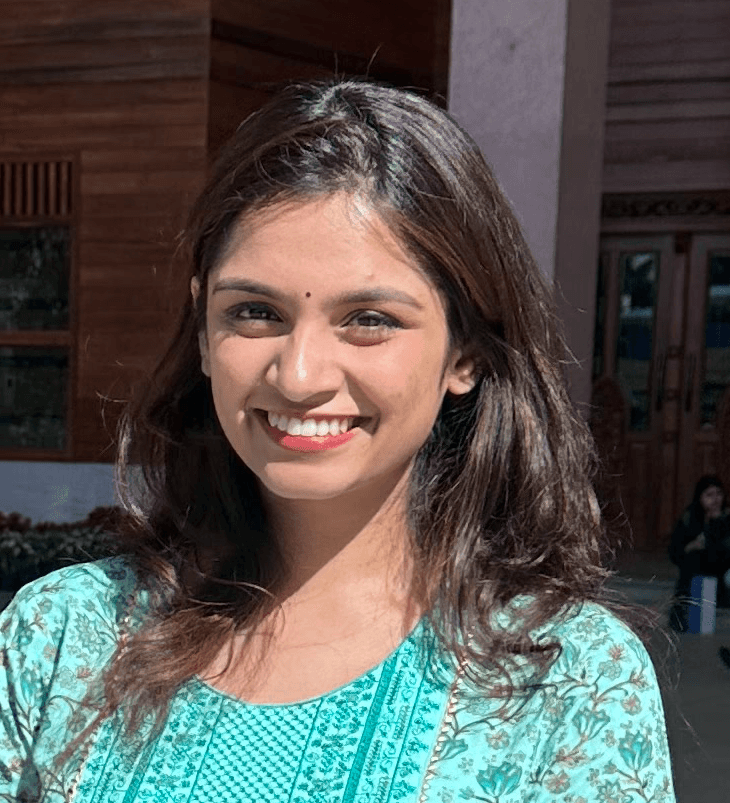
Stakeholder interview: Learning about pain points

With a clear understanding of her workflow, I conducted a stakeholder interview, competitive analysis, and user interviews. As my first independent project with a therapist, it was crucial to align the design with both the ethical responsibilities of the mental health space and the practical business needs of a private practice.

Archana Pai
Psychologist

Archana Pai
Psychologist

Archana Pai
Psychologist

Key insights:

  • Accessibility: Emphasise the convenience of online therapy and how it removing the burden of commute.


  • Credibility: Clearly communicate qualifications and expertise to differentiate from practitioners who may not be formally trained or clinically equipped to address mental health needs.


  • Brand Foundation: Establish a cohesive visual and professional identity that can serve as the anchor for future social media and outreach efforts.

  • Accessibility: Emphasise the convenience of online therapy and how it removing the burden of commute.


  • Credibility: Clearly communicate qualifications and expertise to differentiate from practitioners who may not be formally trained or clinically equipped to address mental health needs.


  • Brand Foundation: Establish a cohesive visual and professional identity that can serve as the anchor for future social media and outreach efforts.

Competitive Analysis: Benchmarking the Competition

I analysed a range of competitor therapist websites and established therapy portals, identifying strengths, weaknesses, and opportunities to inform the design direction.


Strengths

  • Clear navigation and intuitive user flow

  • Warm, trustworthy visual identity


  • Strong credibility signalling through qualifications, accreditations, and testimonials.

Weakness

  • Impersonal or Clinical Feel


  • Overemphasis on Design Over Functionality


  • Information Overload

  • Impersonal or Clinical Feel


  • Overemphasis on Design Over Functionality


  • Information Overload

Opportunities

  • Personalisation & Human Connection

  • Streamlined Booking & Information Access


  • Enhanced Mobile Optimisation

Threats

  • Market Saturation of Therapy Platforms

  • High User Expectations Around Trust & Safety


  • Overcomplicated Design Deterring Vulnerable Users

User Interviews:What People Look For When Seeking Therapy Online

Through five in-depth interviews with people currently seeking or actively in the process of finding a therapist, I explored their needs, preferences, and frustrations when navigating the search for mental health support. I then analysed the data and created an affinity map to uncover the key themes.

Quick & Easy Discovery of Key information

Wants to know pricing upfront before committing to a consultation.

Looks for qualifications and accreditations to feel confident in their choice.

Wants to know if the therapist has experience with their specific concern before reaching out.

Needs to understand cancellation and rescheduling policies before booking.

Searches for a clear explanation of what the first session looks like.

The Power of Trust and First Impressions

Judges credibility based on the professionalism and warmth

Feels reassured when a therapist shares their therapeutic approach and personal philosophy.

Looks for a photo of the therapist to feel a sense of familiarity before the first session.

Feels put off by overly clinical language and prefers a tone that feels human and approachable.

Trusts therapists more when they can see real testimonials or verified credentials on the page.

The Search for the Right Therapist

Spends significant time comparing multiple therapists before feeling

Relies on Google searches and therapy directories to discover therapists in their area.

Often asks for recommendations from friends or familyf

Filters by specialisation to ensure the therapist has experience with their specific concern.

Values knowing whether sessions are offered online, in-person, or both before making a decision.

What Makes Someone Feel Safe Enough to Reach Out

Feels more comfortable reaching out when confidentiality and privacy are communicated clearly

Needs to feel like the therapist understands their cultural background and lived experience.

Does not feel safe when delays reaching out and pricing is unclear

Appreciates a warm, non-clinical tone that makes the process feel less intimidating.

Feels safer when there is a clear and low-pressure first step

The Power of Trust and First Impressions

Judges credibility based on the professionalism and warmth

Feels reassured when a therapist shares their therapeutic approach and personal philosophy.

Looks for a photo of the therapist to feel a sense of familiarity before the first session.

Feels put off by overly clinical language and prefers a tone that feels human and approachable.

Trusts therapists more when they can see real testimonials or verified credentials on the page.

The Search for the Right Therapist

Spends significant time comparing multiple therapists before feeling

Relies on Google searches and therapy directories to discover therapists in their area.

Often asks for recommendations from friends or family

Filters by specialisation to ensure the therapist has experience with their specific concern.

Values knowing whether sessions are offered online, in-person, or both before making a decision.

What Makes Someone Feel Safe Enough to Reach Out

Feels more comfortable reaching out when confidentiality and privacy are communicated clearly.

Needs to feel like the therapist understands their cultural background and lived experience.

Does not feel safe when delays reaching out and pricing is unclear

Appreciates a warm, non-clinical tone that makes the process feel less intimidating.

Feels safer when there is a clear and low-pressure first step

Design

Visual Identity

The visual identity was designed to feel calm, trustworthy, and human — reflecting the emotional sensitivity of the mental health space while maintaining the professionalism of a private practice.

Typography

Satoshi was chosen for its modern, geometric warmth — a sans-serif that feels approachable and clean without sacrificing the credibility expected in a professional mental health context.

Satoshi

Satoshi

Heading 1 - Regular | 48px

Heading 1 - Regular | 48px

Heading 2 - Bold | 36px

Heading 2 - Bold | 36px

Heading 3 - Medium | 24px

Heading 3 - Medium | 24px

Body - Regular | 18px

Body - Regular | 18px

Colour

A calm teal and warm off-white palette was chosen to evoke trust, clarity, and emotional safety colours rooted in the visual language of the mental health space.

#F9F6F0

#F9F6F0

Warm Cream

Warm Cream

#FFFFFF

#FFFFFF

Pure White

Pure White

#14967F

#14967F

Primary Teal

Primary Teal

#330F0F

#330F0F

Deep Brown

Deep Brown

Designing a seamless User experience

With the site structure defined, I sketched key layouts to ensure clear navigation and a warm, approachable feel. Prioritising simplicity and usability, I refined my designs in Figma and implemented them in Framer, focusing on:

  • Clean, accessible layouts that make essential information easy to find

  • Considered typography and imagery to communicate trust and professionalism

  • Intuitive navigation that guides potential clients from curiosity to booking

This approach ensured a digital experience that feels as safe and welcoming as the therapeutic space itself.

Typography

Satoshi was chosen for its modern, geometric warmth — a sans-serif that feels approachable and clean without sacrificing the credibility expected in a professional mental health context.

Satoshi

Heading 1 - Regular | 48px

Heading 2 - Bold | 36px

Heading 3 - Medium | 24px

Body - Regular | 18px

Feature roadmap

To define and prioritise the core functionalities of the website, along with other essential site pages, I created a feature roadmap. The following features were identified as most essential to fulfilling both business goals and user needs:

  • Homepage

  • About Me

  • Specialisations

  • Pricing & Payment

  • Booking & Scheduling

  • Process & What to Expect

  • FAQs

  • Testimonials

  • Contact & Social Media Integration

  • Blog / Resources

Brand Identity

Archana had built her name around the name therapai. A deliberate blend of "therapy" and "Pai", Archana's surname, creating a name that is personal, memorable, and immediately communicates her practice. Two logo variations were developed to serve different contexts
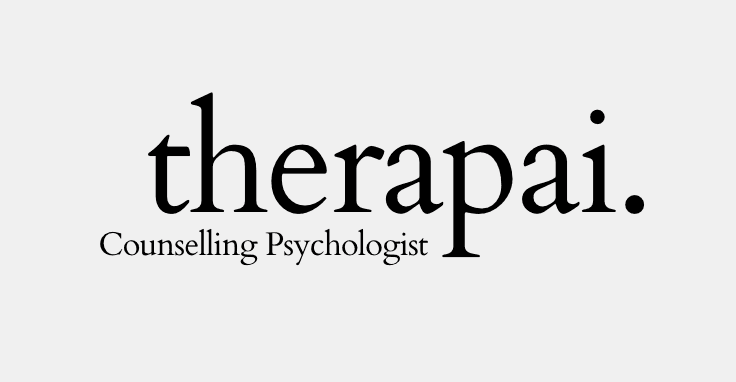
A wordmark in an elegant serif typeface for the website, conveying warmth and professionalism

A social media brand card designed to introduce Archana's practice

A compact icon mark — a bold green "t." — for social media and digital use, ensuring the brand remains recognisable at small sizes

Results

Since launching therapai.life, the website has demonstrated consistent and growing organic discoverability with no paid promotion.

System USabilty Scale(SAS)

The final design achieved a SUS score of 89 out of 100, reflecting a highly usable and accessible experience for therapy seekers. Both users and Archana praised the outcome. Users noted that information was easy to find, the overall experience felt calm and reassuring, and the flexible scheduling made the process feel approachable. The site's clean structure also made it something they felt comfortable sharing with others who might be looking for support.

"This website has been truly enabling. I can now focus on what I do best — therapy — while the site handles the introduction for me. It's given me the foundation to take on more clients and grow my social media presence with confidence."

Archana Pai

Final thoughts

Therapists who establish a strong online presence beyond social media are better positioned to build credibility, attract clients, and grow sustainably — and as the market continues to move online, the case for a dedicated digital presence has never been clearer.

What I Learned: This project taught me what it means to apply design thinking in real time with a small, independent business. Having previously worked within a mid-size publicly traded company, I quickly realised that the design process looks very different at this scale. Research agendas are leaner, constraints are tighter, and every decision carries direct personal impact for the client. Adapting to that context made me a more empathetic designer.

What I'm Most Proud Of: User research has always been part of my practice, but this project challenged many of my existing assumptions in ways I didn't anticipate. Designing for a sensitive, trust-driven space like mental health pushed me to think more carefully about audience, tone, and emotional context. By the end of it, I emerged with a deeper understanding of what it truly means to design for the right people.


Click to Copy Email :

Copy component

Copied

krishna.iriventi@gmail.com

Social :

Making mental health accessible one pixel at a time

Developing an online presence to improve client outreach and build credibility

Developing an online presence to improve client outreach and build credibility

Role : Product Designer

Role : Product Designer

The Problem

Every new client meant starting from zero, re-explaining pricing, timings, and process each time. Without a central online presence, online therapists are difficult to discover and hard to trust.

The Solution

A platform that allows potential clients to discover a therapist, explore their services and make an informed decision with confidence.

Home Page

Features intuitive navigation, clear CTAs, key links, social media links and an overview of her practive

Pricing

Pricing presented through clear, carousel cards structured using Behavioural Economics principles

About

Showing the person behind the practice to build empathy

Scheduling

A scheduling workflow designed to give both clients and therapists flexibility and control

Background

Online counselling psychology, commonly referred to as telepsychology, emerged as a widespread phenomenon during the Covid-19 pandemic. The pandemic had two primary effects on the mental health space: patients who had previously seen their therapists in person were no longer able to meet physically, and the experience of isolation led many people to seek mental health support for the first time. This created the conditions for teletherapy to take hold.

Psychologists, though initially reluctant, were quick to adapt to this new model. The rapid proliferation of video conferencing technology played a significant role in easing the transition.

While the overall use of telehealth has dipped since the pandemic, its use remains high in mental health care, with 88% of psychologists reporting that they offer telehealth services.

American Psychological Association, Digital Health Use Among the Public Remains Strong, 2025

It was within this context that my client, a practising therapist, sought to build an online presence — one that would allow her to showcase her services, communicate her process, and establish credibility with potential clients in an increasingly digital landscape.

Research

A Deep Dive into Archana's Current Client Outreach and Information Flow

To better understand the problem space, I examined how Archana currently attracts and communicates with potential clients. This allowed me to identify friction points in her outreach process and understand what information gaps were leaving clients without the answers they needed.

Archana's practice operates primarily through word of mouth, supplemented by a social media presence. While social media helped her reach a broader network, her practice information was scattered across posts and buried amongst unrelated content and distractions. More often than not, potential clients would reach out with the same recurring questions before ever booking a session:

To better understand the problem space, I examined how Archana currently attracts and communicates with potential clients. This allowed me to identify friction points in her outreach process and understand what information gaps were leaving clients without the answers they needed.

Archana's practice operates primarily through word of mouth, supplemented by a social media presence. While social media helped her reach a broader network, her practice information was scattered across posts and buried amongst unrelated content and distractions. More often than not, potential clients would reach out with the same recurring questions before ever booking a session:

These repeated exchanges placed unnecessary burden on Archana and created friction for clients who simply wanted clarity before committing. A centralised online presence had the potential to resolve all three pain points before a single message was ever sent.

Pricing: How does payment work? Are there cancellation policies or sliding scale options?

Process: How are sessions structured? What does goal setting look like, and when can clients expect to see progress?

Credibility & Brand: Is Archana appropriately qualified? What makes her approach different, and does she have references or accreditations?

These repeated exchanges placed unnecessary burden on Archana and created friction for clients who simply wanted clarity before committing. A centralised online presence had the potential to resolve all three pain points before a single message was ever sent.

Understanding stakeholder goals and User needs

With a clear understanding of her workflow, I conducted a stakeholder interview, competitive analysis, and user interviews. As my first independent project with a therapist, it was crucial to align the design with both the ethical responsibilities of the mental health space and the practical business needs of a private practice.

Stakeholder interview: Learning about pain points

With a clear understanding of her workflow, I conducted a stakeholder interview, competitive analysis, and user interviews. As my first independent project with a therapist, it was crucial to align the design with both the ethical responsibilities of the mental health space and the practical business needs of a private practice.

Archana Pai
Psychologist

Archana Pai
Psychologist

Archana Pai
Psychologist

Key insights:

  • Accessibility: Emphasise the convenience of online therapy and how it removing the burden of commute.


  • Credibility: Clearly communicate qualifications and expertise to differentiate from practitioners who may not be formally trained or clinically equipped to address mental health needs.


  • Brand Foundation: Establish a cohesive visual and professional identity that can serve as the anchor for future social media and outreach efforts.

  • Accessibility: Emphasise the convenience of online therapy and how it removing the burden of commute.


  • Credibility: Clearly communicate qualifications and expertise to differentiate from practitioners who may not be formally trained or clinically equipped to address mental health needs.


  • Brand Foundation: Establish a cohesive visual and professional identity that can serve as the anchor for future social media and outreach efforts.

Competitive Analysis: Benchmarking the Competition

I analysed a range of competitor therapist websites and established therapy portals, identifying strengths, weaknesses, and opportunities to inform the design direction.

Strengths

  • Clear navigation and intuitive user flow

  • Warm, trustworthy visual identity


  • Strong credibility signalling through qualifications, accreditations, and testimonials.

Weakness

  • Impersonal or Clinical Feel


  • Overemphasis on Design Over Functionality


  • Information Overload

  • Impersonal or Clinical Feel


  • Overemphasis on Design Over Functionality


  • Information Overload

Opportunities

  • Personalisation & Human Connection

  • Streamlined Booking & Information Access


  • Enhanced Mobile Optimisation

Threats

  • Market Saturation of Therapy Platforms

  • High User Expectations Around Trust & Safety


  • Overcomplicated Design Deterring Vulnerable Users

User Interviews:What People Look For When Seeking Therapy Online

Through five in-depth interviews with people currently seeking or actively in the process of finding a therapist, I explored their needs, preferences, and frustrations when navigating the search for mental health support. I then analysed the data and created an affinity map to uncover the key themes.

Quick & Easy Discovery of Key information

Wants to know pricing upfront before committing to a consultation.

Looks for qualifications and accreditations to feel confident in their choice.

Wants to know if the therapist has experience with their specific concern before reaching out.

Needs to understand cancellation and rescheduling policies before booking.

Searches for a clear explanation of what the first session looks like.

The Power of Trust and First Impressions

Judges credibility based on the professionalism and warmth

Feels reassured when a therapist shares their therapeutic approach and personal philosophy.

Looks for a photo of the therapist to feel a sense of familiarity before the first session.

Feels put off by overly clinical language and prefers a tone that feels human and approachable.

Trusts therapists more when they can see real testimonials or verified credentials on the page.

The Search for the Right Therapist

Spends significant time comparing multiple therapists before feeling

Relies on Google searches and therapy directories to discover therapists in their area.

Often asks for recommendations from friends or familyf

Filters by specialisation to ensure the therapist has experience with their specific concern.

Values knowing whether sessions are offered online, in-person, or both before making a decision.

What Makes Someone Feel Safe Enough to Reach Out

Feels more comfortable reaching out when confidentiality and privacy are communicated clearly

Needs to feel like the therapist understands their cultural background and lived experience.

Does not feel safe when delays reaching out and pricing is unclear

Appreciates a warm, non-clinical tone that makes the process feel less intimidating.

Feels safer when there is a clear and low-pressure first step

The Power of Trust and First Impressions

Judges credibility based on the professionalism and warmth

Feels reassured when a therapist shares their therapeutic approach and personal philosophy.

Looks for a photo of the therapist to feel a sense of familiarity before the first session.

Feels put off by overly clinical language and prefers a tone that feels human and approachable.

Trusts therapists more when they can see real testimonials or verified credentials on the page.

The Search for the Right Therapist

Spends significant time comparing multiple therapists before feeling

Relies on Google searches and therapy directories to discover therapists in their area.

Often asks for recommendations from friends or family

Filters by specialisation to ensure the therapist has experience with their specific concern.

Values knowing whether sessions are offered online, in-person, or both before making a decision.

What Makes Someone Feel Safe Enough to Reach Out

Feels more comfortable reaching out when confidentiality and privacy are communicated clearly.

Needs to feel like the therapist understands their cultural background and lived experience.

Does not feel safe when delays reaching out and pricing is unclear

Appreciates a warm, non-clinical tone that makes the process feel less intimidating.

Feels safer when there is a clear and low-pressure first step

Design

Visual Identity

The visual identity was designed to feel calm, trustworthy, and human — reflecting the emotional sensitivity of the mental health space while maintaining the professionalism of a private practice.

Typography

Satoshi was chosen for its modern, geometric warmth — a sans-serif that feels approachable and clean without sacrificing the credibility expected in a professional mental health context.

Satoshi

Satoshi

Heading 1 - Regular | 48px

Heading 1 - Regular | 48px

Heading 2 - Bold | 36px

Heading 2 - Bold | 36px

Heading 3 - Medium | 24px

Heading 3 - Medium | 24px

Body - Regular | 18px

Body - Regular | 18px

Colour

A calm teal and warm off-white palette was chosen to evoke trust, clarity, and emotional safety colours rooted in the visual language of the mental health space.

#F9F6F0

#F9F6F0

Warm Cream

Warm Cream

#FFFFFF

#FFFFFF

Pure White

Pure White

#14967F

#14967F

Primary Teal

Primary Teal

#330F0F

#330F0F

Deep Brown

Deep Brown

Designing a seamless User experience

With the site structure defined, I sketched key layouts to ensure clear navigation and a warm, approachable feel. Prioritising simplicity and usability, I refined my designs in Figma and implemented them in Framer, focusing on:

  • Clean, accessible layouts that make essential information easy to find

  • Considered typography and imagery to communicate trust and professionalism

  • Intuitive navigation that guides potential clients from curiosity to booking

This approach ensured a digital experience that feels as safe and welcoming as the therapeutic space itself.

Typography

Satoshi was chosen for its modern, geometric warmth — a sans-serif that feels approachable and clean without sacrificing the credibility expected in a professional mental health context.

Satoshi

Heading 1 - Regular | 48px

Heading 2 - Bold | 36px

Heading 3 - Medium | 24px

Body - Regular | 18px

Feature roadmap

To define and prioritise the core functionalities of the website, along with other essential site pages, I created a feature roadmap. The following features were identified as most essential to fulfilling both business goals and user needs:

  • Homepage

  • About Me

  • Specialisations

  • Pricing & Payment

  • Booking & Scheduling

  • Process & What to Expect

  • FAQs

  • Testimonials

  • Contact & Social Media Integration

  • Blog / Resources

Brand Identity

Archana had built her name around the name therapai. A deliberate blend of "therapy" and "Pai", Archana's surname, creating a name that is personal, memorable, and immediately communicates her practice. Two logo variations were developed to serve different contexts

A wordmark in an elegant serif typeface for the website, conveying warmth and professionalism

A social media brand card designed to introduce Archana's practice

A compact icon mark — a bold green "t." — for social media and digital use, ensuring the brand remains recognisable at small sizes

Results

Since launching therapai.life, the website has demonstrated consistent and growing organic discoverability with no paid promotion.

System USabilty Scale(SAS)

The final design achieved a SUS score of 89 out of 100, reflecting a highly usable and accessible experience for therapy seekers. Both users and Archana praised the outcome. Users noted that information was easy to find, the overall experience felt calm and reassuring, and the flexible scheduling made the process feel approachable. The site's clean structure also made it something they felt comfortable sharing with others who might be looking for support.

"This website has been truly enabling. I can now focus on what I do best — therapy — while the site handles the introduction for me. It's given me the foundation to take on more clients and grow my social media presence with confidence."

Archana Pai

Final thoughts

Therapists who establish a strong online presence beyond social media are better positioned to build credibility, attract clients, and grow sustainably — and as the market continues to move online, the case for a dedicated digital presence has never been clearer.

What I Learned: This project taught me what it means to apply design thinking in real time with a small, independent business. Having previously worked within a mid-size publicly traded company, I quickly realised that the design process looks very different at this scale. Research agendas are leaner, constraints are tighter, and every decision carries direct personal impact for the client. Adapting to that context made me a more empathetic designer.

What I'm Most Proud Of: User research has always been part of my practice, but this project challenged many of my existing assumptions in ways I didn't anticipate. Designing for a sensitive, trust-driven space like mental health pushed me to think more carefully about audience, tone, and emotional context. By the end of it, I emerged with a deeper understanding of what it truly means to design for the right people.


Click to Copy Email :

Copy component

Copied

krishna.iriventi@gmail.com

Social :

Making mental health accessible one pixel at a time

Developing an online presence to improve client outreach and build credibility

Developing an online presence to improve client outreach and build credibility

Role : Product Designer

Role : Product Designer

The Problem

Every new client meant starting from zero, re-explaining pricing, timings, and process each time. Without a central online presence, online therapists are difficult to discover and hard to trust.

The Solution

A platform that allows potential clients to discover a therapist, explore their services and make an informed decision with confidence.

Home Page

Features intuitive navigation, clear CTAs, key links, social media links and an overview of her practive

Pricing

Pricing presented through clear, carousel cards structured using Behavioural Economics principles

About

Showing the person behind the practice to build empathy

Scheduling

A scheduling workflow designed to give both clients and therapists flexibility and control

Background

Online counselling psychology, commonly referred to as telepsychology, emerged as a widespread phenomenon during the Covid-19 pandemic. The pandemic had two primary effects on the mental health space: patients who had previously seen their therapists in person were no longer able to meet physically, and the experience of isolation led many people to seek mental health support for the first time. This created the conditions for teletherapy to take hold.

Psychologists, though initially reluctant, were quick to adapt to this new model. The rapid proliferation of video conferencing technology played a significant role in easing the transition.

While the overall use of telehealth has dipped since the pandemic, its use remains high in mental health care, with 88% of psychologists reporting that they offer telehealth services.

American Psychological Association, Digital Health Use Among the Public Remains Strong, 2025

It was within this context that my client, a practising therapist, sought to build an online presence — one that would allow her to showcase her services, communicate her process, and establish credibility with potential clients in an increasingly digital landscape.

Research

A Deep Dive into Archana's Current Client Outreach and Information Flow

To better understand the problem space, I examined how Archana currently attracts and communicates with potential clients. This allowed me to identify friction points in her outreach process and understand what information gaps were leaving clients without the answers they needed.

Archana's practice operates primarily through word of mouth, supplemented by a social media presence. While social media helped her reach a broader network, her practice information was scattered across posts and buried amongst unrelated content and distractions. More often than not, potential clients would reach out with the same recurring questions before ever booking a session:

To better understand the problem space, I examined how Archana currently attracts and communicates with potential clients. This allowed me to identify friction points in her outreach process and understand what information gaps were leaving clients without the answers they needed.

Archana's practice operates primarily through word of mouth, supplemented by a social media presence. While social media helped her reach a broader network, her practice information was scattered across posts and buried amongst unrelated content and distractions. More often than not, potential clients would reach out with the same recurring questions before ever booking a session:

These repeated exchanges placed unnecessary burden on Archana and created friction for clients who simply wanted clarity before committing. A centralised online presence had the potential to resolve all three pain points before a single message was ever sent.

Pricing: How does payment work? Are there cancellation policies or sliding scale options?

Process: How are sessions structured? What does goal setting look like, and when can clients expect to see progress?

Credibility & Brand: Is Archana appropriately qualified? What makes her approach different, and does she have references or accreditations?

These repeated exchanges placed unnecessary burden on Archana and created friction for clients who simply wanted clarity before committing. A centralised online presence had the potential to resolve all three pain points before a single message was ever sent.

Understanding stakeholder goals and User needs

With a clear understanding of her workflow, I conducted a stakeholder interview, competitive analysis, and user interviews. As my first independent project with a therapist, it was crucial to align the design with both the ethical responsibilities of the mental health space and the practical business needs of a private practice.

Stakeholder interview: Learning about pain points

With a clear understanding of her workflow, I conducted a stakeholder interview, competitive analysis, and user interviews. As my first independent project with a therapist, it was crucial to align the design with both the ethical responsibilities of the mental health space and the practical business needs of a private practice.

Archana Pai
Psychologist

Archana Pai
Psychologist

Archana Pai
Psychologist

Key insights:

  • Accessibility: Emphasise the convenience of online therapy and how it removing the burden of commute.


  • Credibility: Clearly communicate qualifications and expertise to differentiate from practitioners who may not be formally trained or clinically equipped to address mental health needs.


  • Brand Foundation: Establish a cohesive visual and professional identity that can serve as the anchor for future social media and outreach efforts.

  • Accessibility: Emphasise the convenience of online therapy and how it removing the burden of commute.


  • Credibility: Clearly communicate qualifications and expertise to differentiate from practitioners who may not be formally trained or clinically equipped to address mental health needs.


  • Brand Foundation: Establish a cohesive visual and professional identity that can serve as the anchor for future social media and outreach efforts.

Competitive Analysis: Benchmarking the Competition

I analysed a range of competitor therapist websites and established therapy portals, identifying strengths, weaknesses, and opportunities to inform the design direction.

Strengths

  • Clear navigation and intuitive user flow

  • Warm, trustworthy visual identity


  • Strong credibility signalling through qualifications, accreditations, and testimonials.

Weakness

  • Impersonal or Clinical Feel


  • Overemphasis on Design Over Functionality


  • Information Overload

  • Impersonal or Clinical Feel


  • Overemphasis on Design Over Functionality


  • Information Overload

Opportunities

  • Personalisation & Human Connection

  • Streamlined Booking & Information Access


  • Enhanced Mobile Optimisation

Threats

  • Market Saturation of Therapy Platforms

  • High User Expectations Around Trust & Safety


  • Overcomplicated Design Deterring Vulnerable Users

User Interviews:What People Look For When Seeking Therapy Online

Through five in-depth interviews with people currently seeking or actively in the process of finding a therapist, I explored their needs, preferences, and frustrations when navigating the search for mental health support. I then analysed the data and created an affinity map to uncover the key themes.

Quick & Easy Discovery of Key information

Wants to know pricing upfront before committing to a consultation.

Looks for qualifications and accreditations to feel confident in their choice.

Wants to know if the therapist has experience with their specific concern before reaching out.

Needs to understand cancellation and rescheduling policies before booking.

Searches for a clear explanation of what the first session looks like.

The Power of Trust and First Impressions

Judges credibility based on the professionalism and warmth

Feels reassured when a therapist shares their therapeutic approach and personal philosophy.

Looks for a photo of the therapist to feel a sense of familiarity before the first session.

Feels put off by overly clinical language and prefers a tone that feels human and approachable.

Trusts therapists more when they can see real testimonials or verified credentials on the page.

The Search for the Right Therapist

Spends significant time comparing multiple therapists before feeling

Relies on Google searches and therapy directories to discover therapists in their area.

Often asks for recommendations from friends or familyf

Filters by specialisation to ensure the therapist has experience with their specific concern.

Values knowing whether sessions are offered online, in-person, or both before making a decision.

What Makes Someone Feel Safe Enough to Reach Out

Feels more comfortable reaching out when confidentiality and privacy are communicated clearly

Needs to feel like the therapist understands their cultural background and lived experience.

Does not feel safe when delays reaching out and pricing is unclear

Appreciates a warm, non-clinical tone that makes the process feel less intimidating.

Feels safer when there is a clear and low-pressure first step

The Power of Trust and First Impressions

Judges credibility based on the professionalism and warmth

Feels reassured when a therapist shares their therapeutic approach and personal philosophy.

Looks for a photo of the therapist to feel a sense of familiarity before the first session.

Feels put off by overly clinical language and prefers a tone that feels human and approachable.

Trusts therapists more when they can see real testimonials or verified credentials on the page.

The Search for the Right Therapist

Spends significant time comparing multiple therapists before feeling

Relies on Google searches and therapy directories to discover therapists in their area.

Often asks for recommendations from friends or family

Filters by specialisation to ensure the therapist has experience with their specific concern.

Values knowing whether sessions are offered online, in-person, or both before making a decision.

What Makes Someone Feel Safe Enough to Reach Out

Feels more comfortable reaching out when confidentiality and privacy are communicated clearly.

Needs to feel like the therapist understands their cultural background and lived experience.

Does not feel safe when delays reaching out and pricing is unclear

Appreciates a warm, non-clinical tone that makes the process feel less intimidating.

Feels safer when there is a clear and low-pressure first step

Design

Visual Identity

The visual identity was designed to feel calm, trustworthy, and human — reflecting the emotional sensitivity of the mental health space while maintaining the professionalism of a private practice.

Typography

Satoshi was chosen for its modern, geometric warmth — a sans-serif that feels approachable and clean without sacrificing the credibility expected in a professional mental health context.

Satoshi

Satoshi

Heading 1 - Regular | 48px

Heading 1 - Regular | 48px

Heading 2 - Bold | 36px

Heading 2 - Bold | 36px

Heading 3 - Medium | 24px

Heading 3 - Medium | 24px

Body - Regular | 18px

Body - Regular | 18px

Colour

A calm teal and warm off-white palette was chosen to evoke trust, clarity, and emotional safety colours rooted in the visual language of the mental health space.

#F9F6F0

#F9F6F0

Warm Cream

Warm Cream

#FFFFFF

#FFFFFF

Pure White

Pure White

#14967F

#14967F

Primary Teal

Primary Teal

#330F0F

#330F0F

Deep Brown

Deep Brown

Designing a seamless User experience

With the site structure defined, I sketched key layouts to ensure clear navigation and a warm, approachable feel. Prioritising simplicity and usability, I refined my designs in Figma and implemented them in Framer, focusing on:

  • Clean, accessible layouts that make essential information easy to find

  • Considered typography and imagery to communicate trust and professionalism

  • Intuitive navigation that guides potential clients from curiosity to booking

This approach ensured a digital experience that feels as safe and welcoming as the therapeutic space itself.

Typography

Satoshi was chosen for its modern, geometric warmth — a sans-serif that feels approachable and clean without sacrificing the credibility expected in a professional mental health context.

Satoshi

Heading 1 - Regular | 48px

Heading 2 - Bold | 36px

Heading 3 - Medium | 24px

Body - Regular | 18px

Feature roadmap

To define and prioritise the core functionalities of the website, along with other essential site pages, I created a feature roadmap. The following features were identified as most essential to fulfilling both business goals and user needs:

  • Homepage

  • About Me

  • Specialisations

  • Pricing & Payment

  • Booking & Scheduling

  • Process & What to Expect

  • FAQs

  • Testimonials

  • Contact & Social Media Integration

  • Blog / Resources

Brand Identity

Archana had built her name around the name therapai. A deliberate blend of "therapy" and "Pai", Archana's surname, creating a name that is personal, memorable, and immediately communicates her practice. Two logo variations were developed to serve different contexts

A wordmark in an elegant serif typeface for the website, conveying warmth and professionalism

A social media brand card designed to introduce Archana's practice

A compact icon mark — a bold green "t." — for social media and digital use, ensuring the brand remains recognisable at small sizes

Results

Since launching therapai.life, the website has demonstrated consistent and growing organic discoverability with no paid promotion.

System USabilty Scale(SAS)

The final design achieved a SUS score of 89 out of 100, reflecting a highly usable and accessible experience for therapy seekers. Both users and Archana praised the outcome. Users noted that information was easy to find, the overall experience felt calm and reassuring, and the flexible scheduling made the process feel approachable. The site's clean structure also made it something they felt comfortable sharing with others who might be looking for support.

"This website has been truly enabling. I can now focus on what I do best — therapy — while the site handles the introduction for me. It's given me the foundation to take on more clients and grow my social media presence with confidence."

Archana Pai

Final thoughts

Therapists who establish a strong online presence beyond social media are better positioned to build credibility, attract clients, and grow sustainably — and as the market continues to move online, the case for a dedicated digital presence has never been clearer.

What I Learned: This project taught me what it means to apply design thinking in real time with a small, independent business. Having previously worked within a mid-size publicly traded company, I quickly realised that the design process looks very different at this scale. Research agendas are leaner, constraints are tighter, and every decision carries direct personal impact for the client. Adapting to that context made me a more empathetic designer.

What I'm Most Proud Of: User research has always been part of my practice, but this project challenged many of my existing assumptions in ways I didn't anticipate. Designing for a sensitive, trust-driven space like mental health pushed me to think more carefully about audience, tone, and emotional context. By the end of it, I emerged with a deeper understanding of what it truly means to design for the right people.


Click to Copy Email :

Copy component

Copied

krishna.iriventi@gmail.com

Social :